Watch Croatia’s Regattas from Your Own Charter: Mrduja, Fiumanka and More
Charter a Croatia regatta spectator boat for Mrduja, Fiumanka and the Adriatic season. Where to anchor, when to book and how to watch up close. Plan your week.
Mehr lesen
Updated May 2026.
If you’ve never chartered in Croatia, the most common question we get is some variation of: “What does a day actually look like?” This piece walks through a single typical day on a Croatian catamaran charter — the rhythm from sunrise through sunset and into the evening. Use it as a mental template for what your trip might feel like.
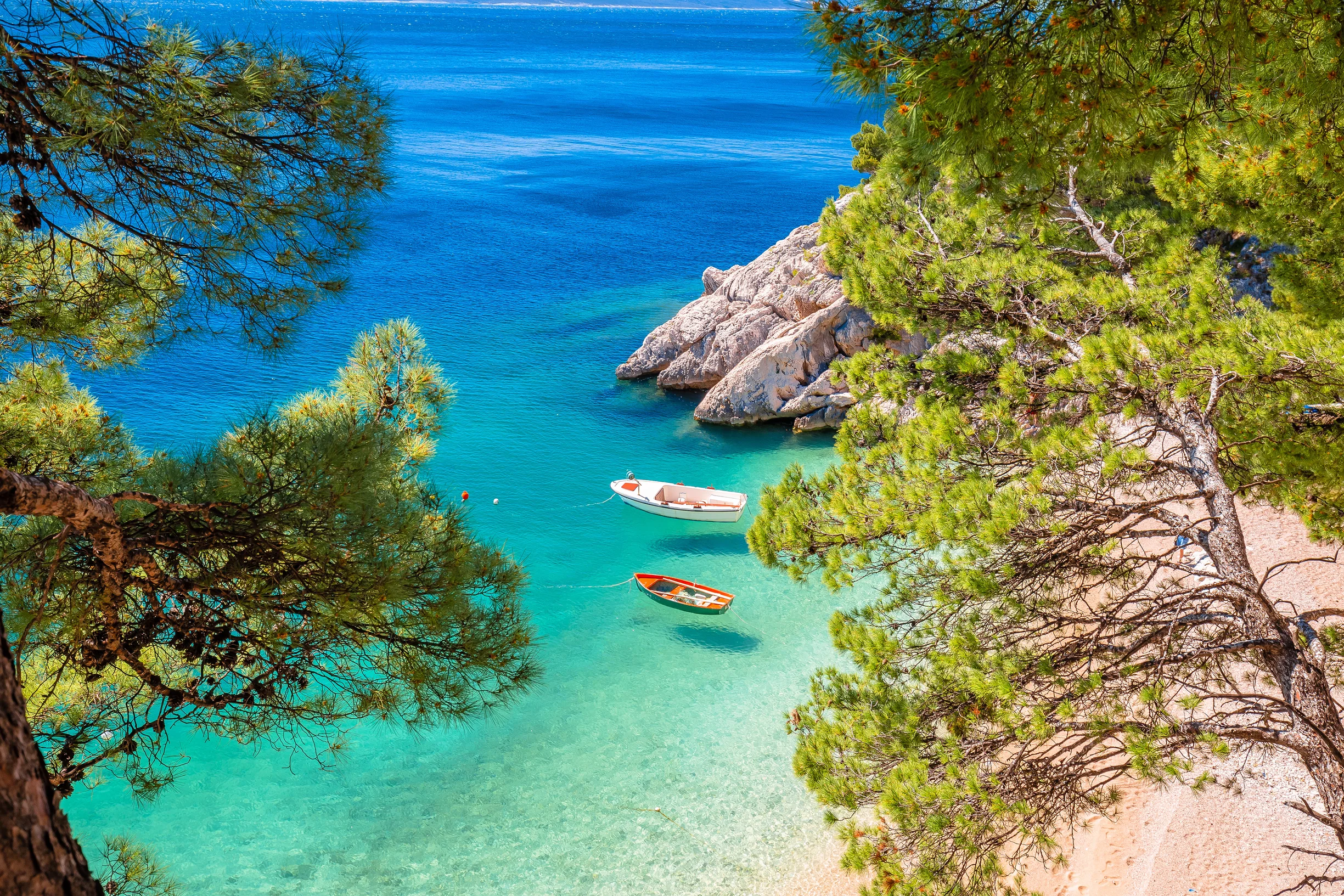
You’re anchored in a small bay on Šolta, the Vis-Komiža approach, or one of the Kornati moorings — depending on your route. The boat is still. The water glassy. The light is the first warm gold across the limestone hills above the bay. Coffee on the foredeck, no one talking yet, the only sound the occasional dinghy line tapping against a fender.
Sunrise hour is the quietest moment of a Croatian charter day. The day-tripper boats arrive after 10:00. Other charter boats start moving around 09:00. From 06:30 to 08:30 the bay is essentially yours and the sea is mirror-flat.
This is when experienced charterers swim. The water’s at its warmest before the morning sun cools the surface; visibility is unbelievable. A 15-minute swim around the boat sets the day’s tone better than any breakfast.
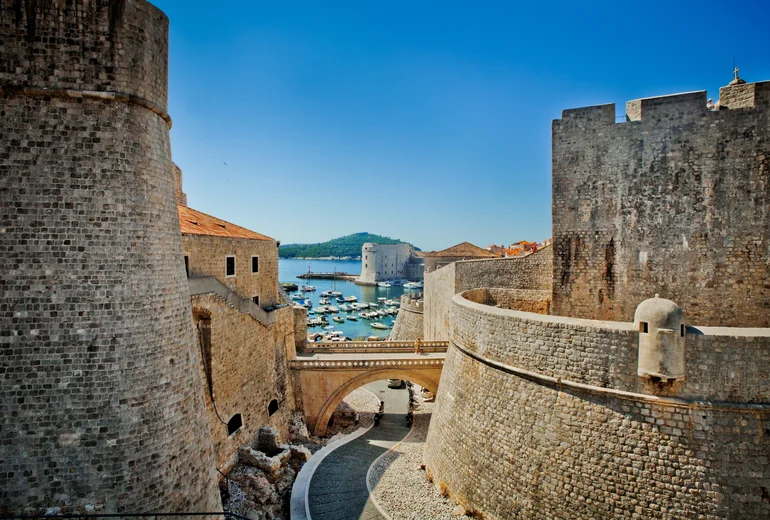
You’re back aboard, dry, in shorts. Breakfast is informal — whatever you provisioned. The classic Croatian charter breakfast: fresh bread from a village bakery picked up the day before, butter, jam, prosciutto from a Dalmatian producer, kajmak or cottage cheese, tomatoes, eggs scrambled or fried, espresso brewed on the boat’s small Bialetti, fresh fruit.
Three or four crew on deck, one in the saloon dinette, the chatter low. The maestral hasn’t started yet so the boat’s still. Plan the day during this time — where you’re sailing, when you’re leaving, what restaurant tonight, whether you stop somewhere for lunch.
The maestral is starting to build. From a flat-calm 06:00 the wind has crept up to 8 knots from the NW. By 11:00 it’ll be 12-15 knots. By 14:00 it’ll be 16-18 knots. The afternoon NW breeze is one of the most predictable patterns in Mediterranean sailing — it’s why Croatian charter routes work east-to-west or north-to-south across the islands so cleanly.
You raise anchor (or release the mooring line). You raise the mainsail before clearing the bay; the genoa unfurls as you turn downwind. The autopilot takes over once you’re settled on a heading. The catamaran picks up to 6 knots, then 7, then 8 as the breeze fills in.
The hour and a half between leaving and arriving at the next anchorage is the trip’s signature time — the sailing is gentle, the sea is sparkling, the islands roll past, the kids on the foredeck trampoline, the adults reading or talking aft. Croatia is famous for many things but for sailors the maestral hour is the country’s best-kept secret. Istria’s Kvarner crossings have similar wind patterns; the rest of the Adriatic does too. But Central and Southern Dalmatia is where the maestral feels most polished.
You’re at the next anchorage. Maybe it’s the Pakleni’s Vinogradišće on a Hvar approach. Maybe it’s Vis’s Stiniva or Budikovac. Maybe it’s Mljet’s Polače or a Kornati mooring at Levrnaka. Different routes, similar rhythm.
You drop the anchor (or pick up a mooring buoy), set the angle, switch off the engines. The boat is still again. The afternoon sun is overhead now — bimini up, sunglasses on.
Lunch is informal and aboard. The classic Croatian charter lunch:
— A big Greek-style salad (tomato, cucumber, red onion, feta, Kalamata olives, olive oil).
— Fresh bread from the morning bakery run.
— Sliced prosciutto, hard sheep’s cheese, marinated anchovies if you’ve stopped at a fish village.
— Maybe a quick grill on the BBQ — sausages, lamb chops, or marinated chicken.
— A bottle of Pošip (white, from Korčula) or Malvasia (Istrian white). Crisp, mineral, perfect at noon.
You eat on the foredeck cushions or in the cockpit. Conversations stretch out. Someone jumps off the swim platform between courses and swims a slow circuit around the boat. Lunch is a 90-minute affair, not a 20-minute one.
Two hours of doing nothing in particular — reading, napping, swimming, paddleboarding around the bay, snorkelling along the rocks. The water’s warm now (24-27°C in summer); the visibility on a calm day is 10-15 metres.
This is the hour the water toys earn their rental fee. See our water toys 2026 pricing guide for the menu — SUPs and snorkel kits are the universal favourites at this time of day; Seabobs and underwater scooters are the premium addition for adults; inflatable slides and tow donuts are the kid-magnet.
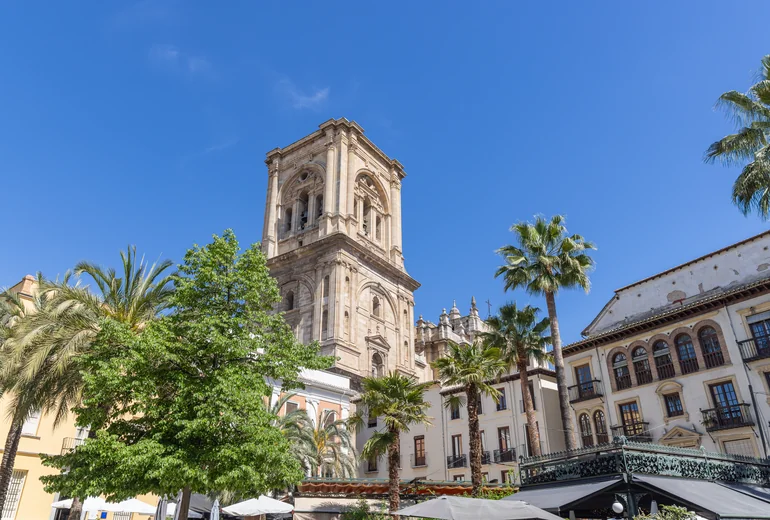
Two patterns split here. Some crews move the boat to a marina or town quay for the night — Komiža, Vis town, Hvar, Sali, Skradin, Korčula. Others stay on the mooring or anchor and dinghy ashore for dinner. Marina-night versus anchor-night is the central rhythm question of a Croatian charter, and the answer changes day-to-day.
If you’re moving, you’re under engines (no wind needed for a 30-minute reposition), arriving at the marina by 17:30, settled at the quay or pontoon by 18:00. Boat tidy, fresh shower, change of clothes.
If you’re staying at anchor, you set up the sundowner instead. Cocktails on the foredeck or upper deck. Sun dipping behind the western Adriatic, the limestone above the bay turning peach, the boat now in the calm evening that follows the maestral’s afternoon peak.
The marquee meal of the day, almost always ashore. A konoba is a traditional Dalmatian family-run tavern — the village restaurant equivalent. Every Croatian island and coastal village has at least one good one. The ritual:
— Pre-book by phone or VHF in the morning (or the day before for high season).
— Pre-order the peka if you want it — the under-the-bell slow-roasted meat or octopus, cooked over hot coals for 2-3 hours.
— Walk from the dinghy quay (or marina pontoon) to the konoba.
— Order the local fish if you’re not having the peka — sea bass, sea bream, dentex, monkfish, all sold by weight.
— Bottle of Plavac Mali (red, Dalmatian) or a second bottle of Pošip if you’re sticking with white.
— Dessert: maybe prošek (Dalmatian dessert wine), maybe rožata (Dubrovnik flan).
Dinner runs 2-3 hours. Bills are paid in cash often; some konobas now accept cards but the smaller-island ones don’t always. Budget €30-55 per person at the konoba; €60-90 per person at the marquee spots in Hvar or Korčula.
The boat is moored or at anchor 200 metres from the konoba. You walk back along the harbour quay in the warm evening, the village quieting down, the boats lit up on the moorings.
Last hour on deck. Maybe one more rakija. The Adriatic stars are the real night-sky show — if you anchor away from village lights you’ll see the Milky Way distinctly. The crew drifts to bed in stages between 23:00 and midnight.
The cabin is quiet. The boat moves slightly on its lines. The hull lapping is the night soundtrack. You sleep eight or nine hours straight through to the next sunrise.
The pattern holds across every Croatian charter region with small local variations:
— Split-based Central Dalmatia — the maestral version of this template. Hvar town for the marquee dinner; Komiža for the working-fish-village option.
— Šibenik-based Kornati and Krka — quieter, fewer marina nights, more anchor-and-konoba-on-Žirje rhythm.
— Dubrovnik-based South Dalmatia — the longer-crossing version, Lastovo as the remote anchor highlight.
— Pula-based Istria and Kvarner — the cultural version, with Venetian harbour towns for the konoba alternative.
— First-time catamaran charter Croatia: 12 things to know — for the practical first-timer prep.
— What to pack for a 7-day Croatian charter.
— Water toys 2026 pricing — the afternoon-on-the-hook companion.
Browse the 2026 fleet on the www.croatia-yachting.com fleet page. For a route + boat recommendation that fits your crew’s pace, contact us via the site.
10:30-11:30 is the sweet spot. The maestral is just starting to build, the morning’s still calm, and you arrive at the next bay before 13:00 with time for lunch. Leaving earlier (08:30) means motoring in no wind; leaving later (after 14:00) means arriving when the bay’s already full.
2-4 hours of sailing, covering 12-25 nautical miles. The Central Dalmatia loop hops average 15-18 nm; Kornati legs are 8-15 nm; Dubrovnik to Lastovo is a longer 30-32 nm. Most days you sail one leg in the morning, anchor for lunch, and stay put through the afternoon.
A konoba is a traditional Dalmatian family-run tavern. Smaller, more informal, locally-owned, menus written on chalkboards, peka (under-the-bell) the signature dish. Restaurants are more polished, more international, often more expensive. For the authentic Croatian charter dinner, prioritise konobas; book the upscale restaurants only for the marquee Hvar/Korčula/Dubrovnik nights.
No — the comfortable rhythm is 3-5 dinners aboard, 2-4 dinners ashore at konobas. Aboard breakfasts are the easiest (everyone fends for themselves); lunches aboard are the sweet spot (salads + bread + cheese, 20-minute prep); dinners alternate between aboard and ashore based on where you’re anchored and what’s around.
Mix both. Anchor nights are quieter, free, and put you in the country’s prettiest bays. Marina nights give you walking-distance restaurants, fresh water refills and easier provisioning. The typical pattern is 3-4 anchor nights + 3-4 marina nights per week.
Sechs kurze Fragen, dann eine echte Antwort eines www.croatia-yachting.com-Brokers innerhalb von vier Arbeitsstunden.